
 Edit Right Advisors
Articles
Edit Right Advisors articles are short, practical reads on winning funding, designing programs, and using evidence. They are written for leaders of nonprofits, NGOs, community based organizations, and social enterprises in every sector. Articles grow from our social posts and are reviewed before they are published here.

All articles
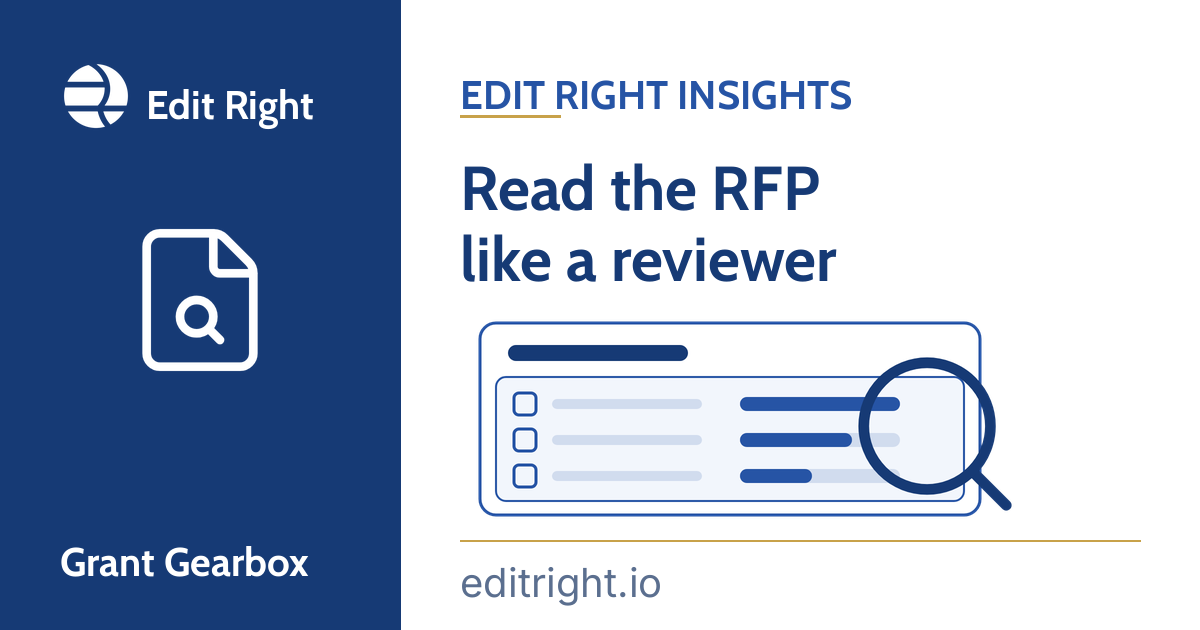
How to read an RFP like a grant reviewer
Reviewers score your proposal against the evaluation criteria. Start from the score sheet and build an outline that is easy to score before you submit.
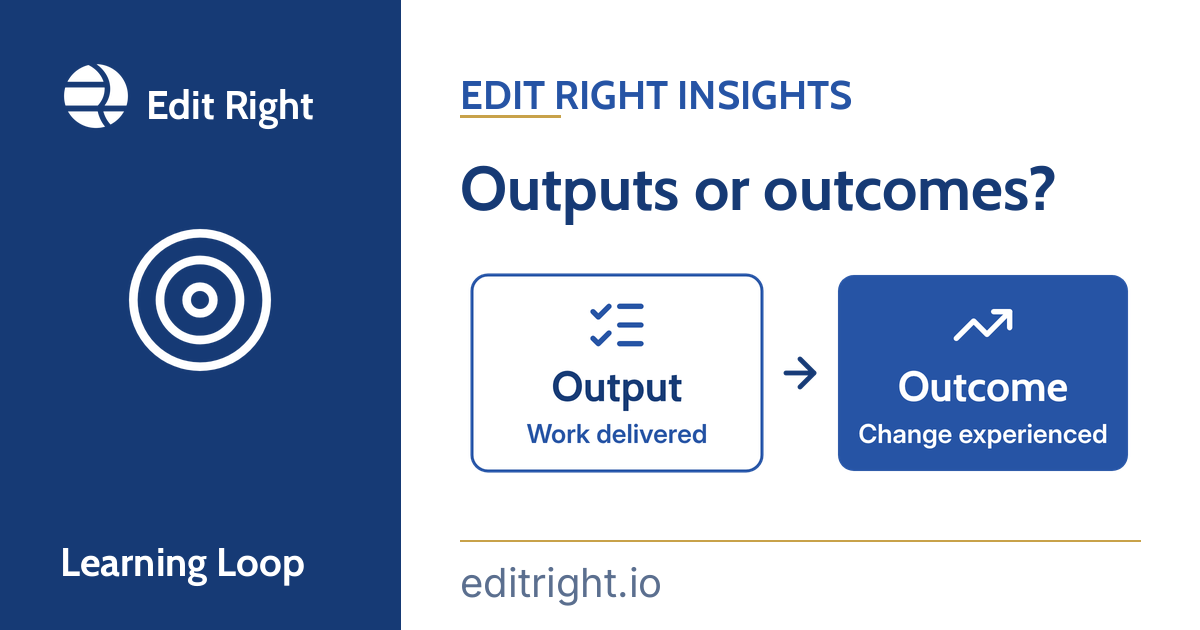
Outputs vs outcomes: how to write results funders believe
An output is the work you deliver. An outcome is the change people experience. Learn to write outcome statements funders believe, with an example.
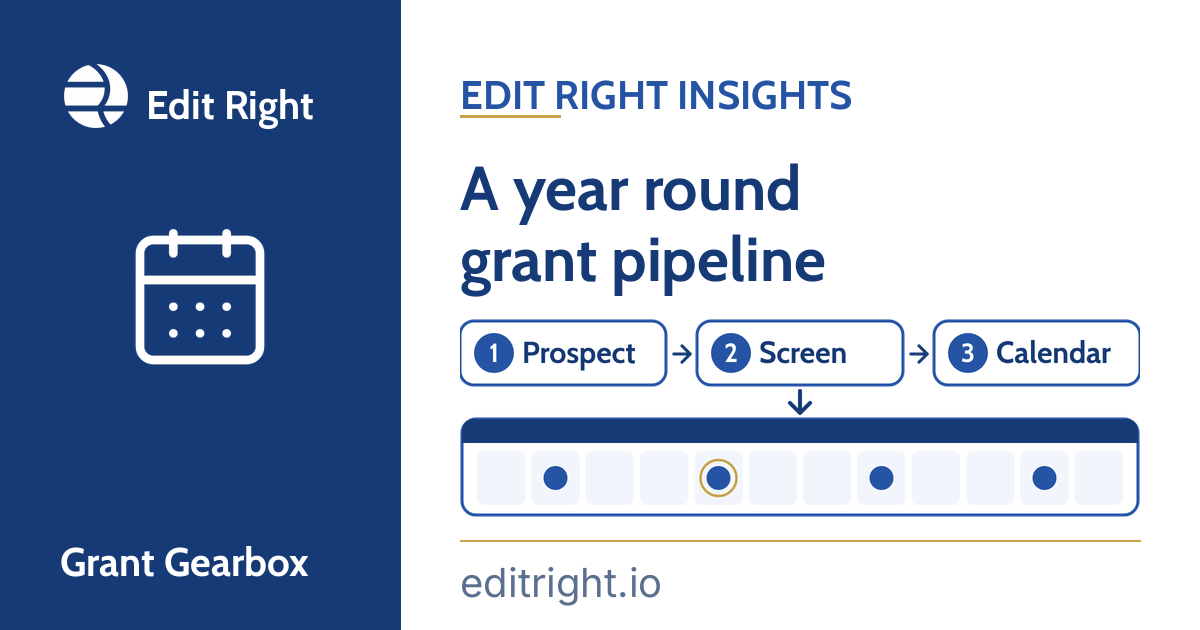
How to build a year-round grant pipeline in three steps
A grant pipeline puts screened funders and all deadlines on one calendar. Build it in three steps: prospect, screen for fit, and plan back from deadlines.
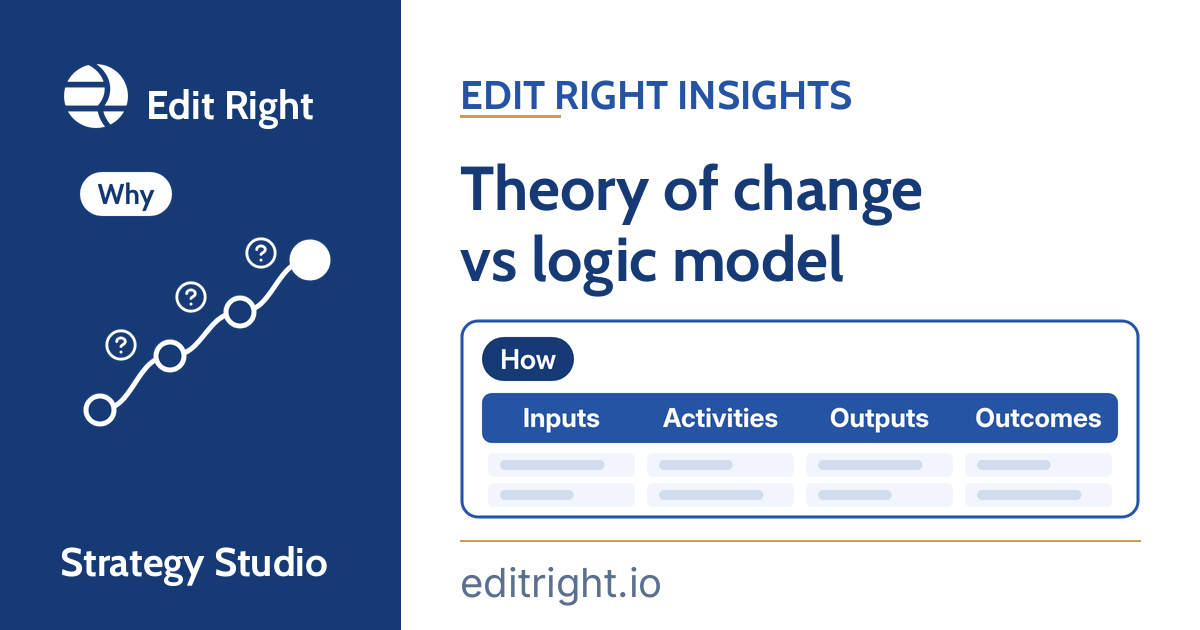
Theory of change vs logic model: what each does and how to keep them consistent
A theory of change explains why a program should work; a logic model shows what you will do and measure. How to keep both telling the same story.
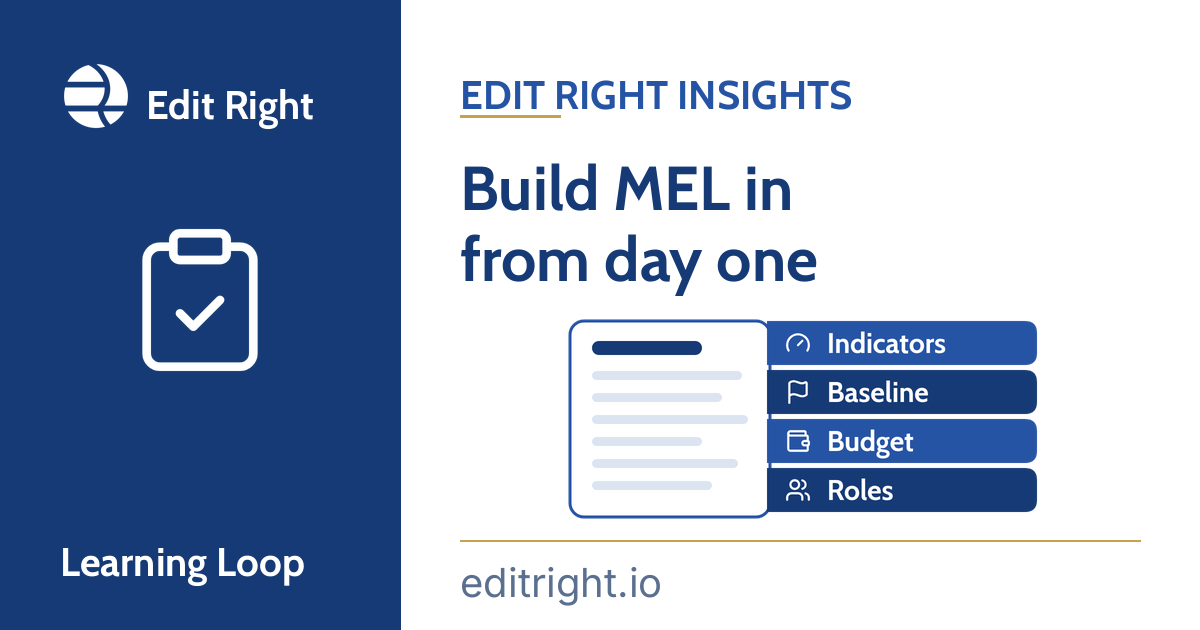
Why MEL belongs in the proposal from day one
Reviewers score how you will prove results. Set indicators, plan a baseline, budget for data, and name roles in the proposal, not after the award.
Is your nonprofit ready for a large grant? What funders check before they award
Grant readiness is your organization's ability to win, manage, and report on a grant without putting the award at risk.

Should we apply for this grant? A bid or no-bid guide for nonprofits
A bid or no-bid decision is a structured choice about whether a funding opportunity is worth pursuing.

Theory of change vs. logframe: how to build program logic funders can follow
A theory of change explains how and why a program's activities will lead to the change it seeks, including the assumptions behind each step.

Why good proposals fail at screening, and how staged reviews prevent it
Proposals fail at screening when they break a rule the funder checks before anyone reads the merits.
How to write a MEL plan that works in practice
A monitoring, evaluation, and learning (MEL) plan sets out how a program will track results, check its data, judge what worked, and use the findings.
Will your numbers survive a funder's check? A practical guide to data quality
Data quality is the degree to which program data is fit for the decisions and reports it supports.
From lessons learned to decisions made: how to build a learning agenda
A learning agenda is a short set of priority questions tied to upcoming decisions, with the activities, owners, and timing needed to answer them.
Needs assessment, baseline, or situation analysis? How to choose the right assessment
The right assessment is the one that answers the decision in front of you.
GEDSI analysis for nonprofits: how to see who your program reaches and who it misses
A gender equality, disability, and social inclusion (GEDSI) analysis examines who benefits from a program, who does not, and why.
Funder reports that pass the first time: a five-level quality check
A funder report passes review when it follows the funder's rules, every figure traces to a source, and the narrative, results, and finances tell one story.
Ready to talk about your next proposal, plan, or report?
Book a free call: editright.io/call We will tell you honestly whether we fit, and suggest a first step even if it is not with us.
Response times: we reply to general inquiries within two business days, and to detailed or technical inquiries within five business days.
Newsletter
Get the Latest Updates
Funding opportunities, proposal and grant writing tips, and practical insights straight to your inbox.